Tokyo First Look Box
Essential Tokyo for first-timers: neighborhoods, key sights, food spots and practical getting-around tips.
Essential Tokyo for first-timers: neighborhoods, key sights, food spots and practical getting-around tips.
Tokyo can feel huge the first time but it breaks down into manageable pieces pretty fast. This box sticks to the useful parts so you dont spend half your days lost or stuck in the wrong station. Keep the pace steady and the city starts making sense.
STAY
Shinjuku or the area around Shibuya works well for a first visit because trains connect almost everywhere from there. Smaller business hotels or simple apartments are fine, just check that the bed is not tiny and the bathroom has a proper shower. Staying near a major station saves a lot of walking with luggage. Avoid places that sit too deep in quiet residential blocks if you want to move around easily at night.
NEIGHBORHOODS AND SIGHTS
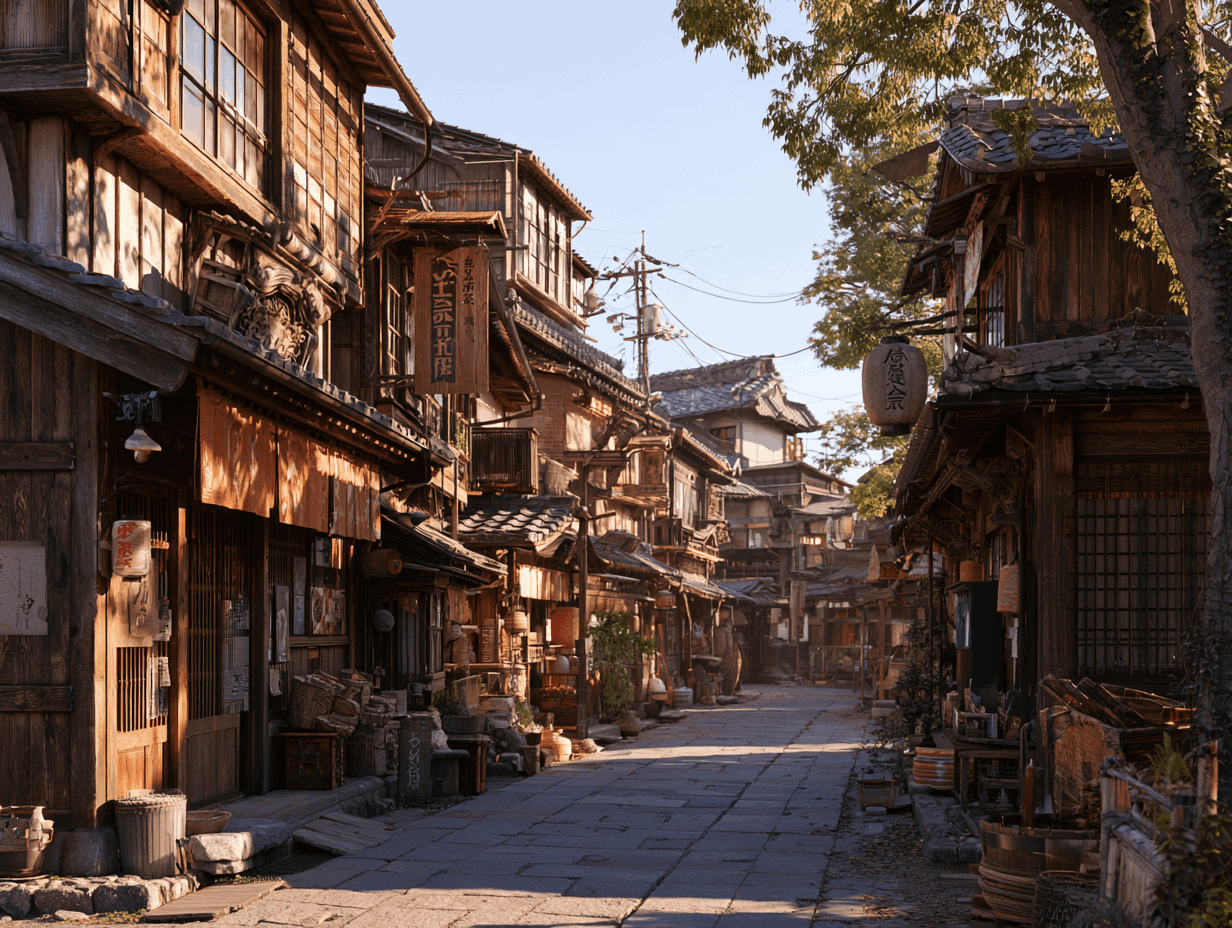
Start with the classic cluster: walk through the busy crossing area then head toward the quieter side streets where small shops sit under older buildings. The big park in the centre gives you green space and a break from the concrete. Temples feel different depending on the time of day, morning is calmer. One of the observation spots high up is worth it for the scale of the city stretching out, go near sunset if the weather cooperates. Dont try to cover every famous spot, pick two or three and actually stay a while.
FOOD
Convenience stores do solid short meals and the quality surprises most first-timers. For something better, look for small places with plastic food models in the window, they usually deliver what they show. Ramen shops with short lines are safer than the ones with long queues that look trendy. Try a simple set meal for lunch, it comes with rice and side dishes and fills you properly. Evening can be standing sushi or grilled skewers if you want something quick. Avoid the restaurants that push English menus with photos of everything, the prices jump and the taste often drops.
MOVE
The train and metro system is the backbone. Buy a reloadable card at the airport or any station and just tap in and out. Station signs are clear once you realise the colours and numbers matter more than the names at first. Walking between close stations is often faster than changing lines. Buses exist but trains cover more ground with less confusion. If you get lost, look for the exit numbers, they help more than street names sometimes. Taxis are clean but the cost adds up quick in traffic.
DO
Wander without a strict plan for an hour or two, the side streets often feel more interesting than the main avenues. Visit a department store basement for the food halls, even if you only look. Evening lights in the denser areas change the whole mood. If your feet need a rest, find a cafe and just sit with a drink while the city moves past the window. One calm shrine visit helps balance the noise.
BOOK
Reserve any special observation deck tickets a day or two ahead if you care about the view. Hotel check-in times can be strict so confirm the day before. Some popular food spots take evening bookings, worth it if you have a specific place in mind. Train passes for longer rides outside the centre are better sorted early.
AVOID
Dont try to do the whole city in two days, it only leaves you tired and frustrated. Skip the people offering random tours right outside stations. Avoid carrying too much cash, cards work almost everywhere now. Dont stand still in the middle of busy crossings or station gates, keep moving with the flow. And please dont eat while walking in quieter neighbourhoods, locals notice.
A loose first two days
Day one: arrive, drop bags, short neighbourhood walk and a simple meal. Evening lights and a slow return.
Day two: one major sight in the morning, food stop, then a different area in the afternoon. Keep the evening open for whatever still feels interesting.
That’s the first look. Tokyo rewards the ones who stay curious without forcing every famous corner into the same short visit. Open the box, pick what fits, and let the rest wait for next time.
Stay in the loop or just say hello
Questions about a box, ideas for new ones, or a quick note after your trip – write to us. You can also leave your email if you want occasional updates when fresh boxes appear.