Safety Essentials Box
Everyday safety habits for cities and beaches: common risks and simple prevention steps.
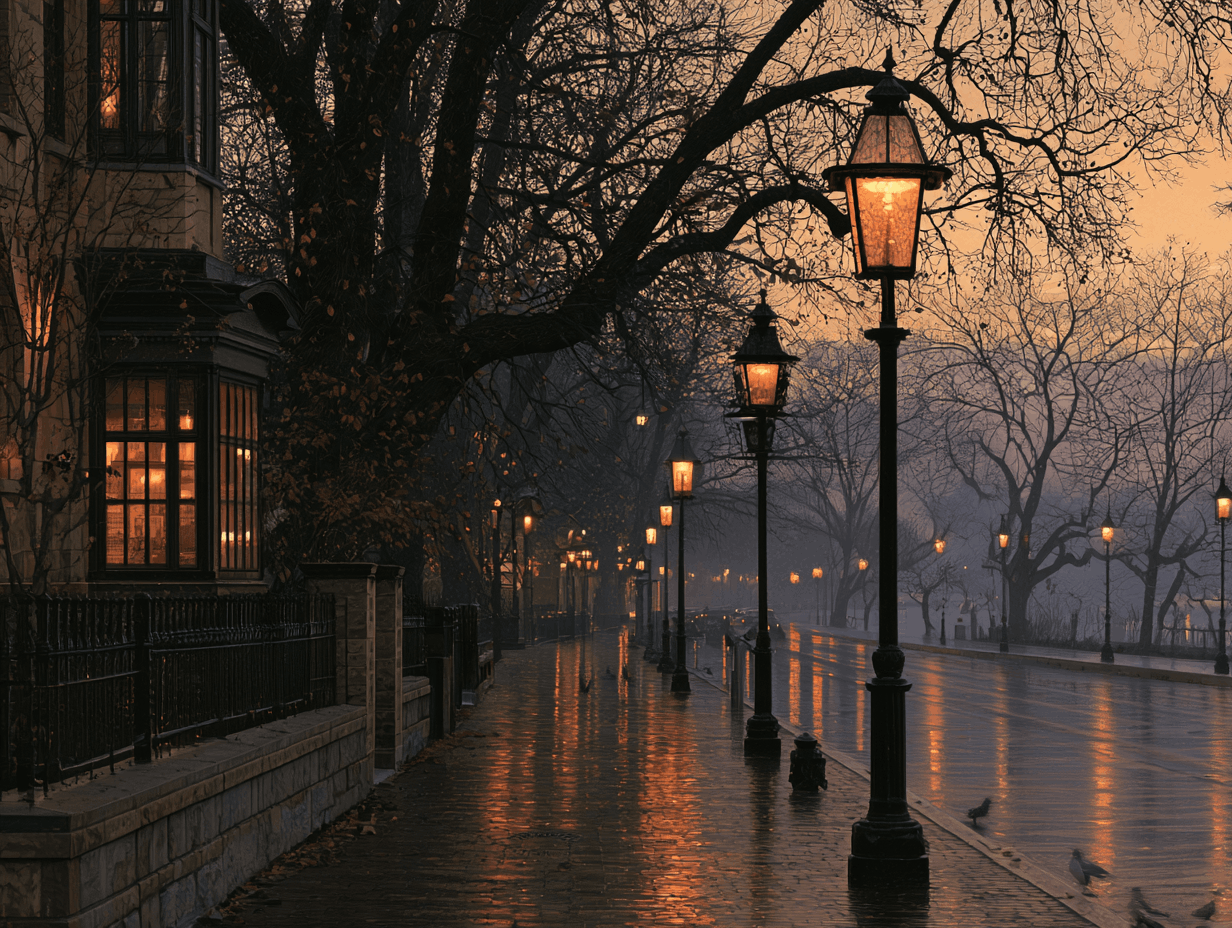
Everyday safety habits for cities and beaches: common risks and simple prevention steps.
Most trips stay trouble-free when a few steady habits are in place. This box collects the everyday steps that reduce the usual risks without turning the days into a constant state of alert.
CITY HABITS
Crowded streets and stations are where small thefts happen most. Keep bags closed and in front in busy areas. Phones stay better in pockets than in open hands while walking. Cross streets at proper points, drivers do not always expect visitors to step out suddenly. At night stick to streets with more people and light until you know the neighbourhood. If something feels off, move toward a shop or a busier corner rather than arguing or engaging.
BEACH AND COASTAL POINTS
Leave only what you need on the sand when swimming. A simple dry bag or a spot near other groups is safer than an isolated towel with everything visible. Watch the water conditions, flags or local advice usually indicate stronger currents. Sun exposure builds faster than it feels, cover up or move to shade before the skin turns. Footwear helps on hot sand and rocky entries. After dark the same open stretches can feel very different, head back while there is still some light if the area is unfamiliar.
SHARED PREVENTION
Make copies or photos of the important documents and keep them separate from the originals. A bit of local currency in a second place covers the case of a lost wallet. Tell someone the basic daily plan if you are moving between areas. Alcohol changes awareness, keep it moderate when still finding the way around. Trust the feeling that a situation or a person is not right, leaving is simpler than staying to be polite.
COMMON RISKS
Pickpockets work the tourist flows and public transport. Unattended bags on beaches or in cafes disappear faster than expected. Over-friendly approaches that lead toward shops or bars often have a cost attached. ATMs in isolated spots carry higher risk than those inside busy areas. Getting lost after dark in a quiet zone creates more vulnerability than the same situation in daylight.
DO
Use the same calm attention you would at home in a busy place. Keep valuables split and modest. Learn the basic emergency number for the country. Stay aware of exits in crowded venues. Walk with purpose even when unsure of the exact route.
AVOID
Dont leave phones or wallets on tables while looking away. Skip the offers that seem too helpful from strangers at stations or on the beach. Avoid counting money in public or showing large amounts. Dont ignore official warnings about water or weather. And please dont assume that a place is safe only because it looks lively in the daytime.
A steady daily approach
Morning: check what you carry and where it sits. During the day: stay aware in crowds and on the sand. Evening: choose routes with more activity. Night: keep the plan simple and the return clear.
Safety on the road is mostly about small consistent choices rather than dramatic measures. Open the box, keep bags close, watch the usual risk points, follow local cues, and the trip stays focused on the places and the days instead of preventable problems.
Stay in the loop or just say hello
Questions about a box, ideas for new ones, or a quick note after your trip – write to us. You can also leave your email if you want occasional updates when fresh boxes appear.