City Transport Box
How to navigate public transport, walking routes and short-distance options in major cities.
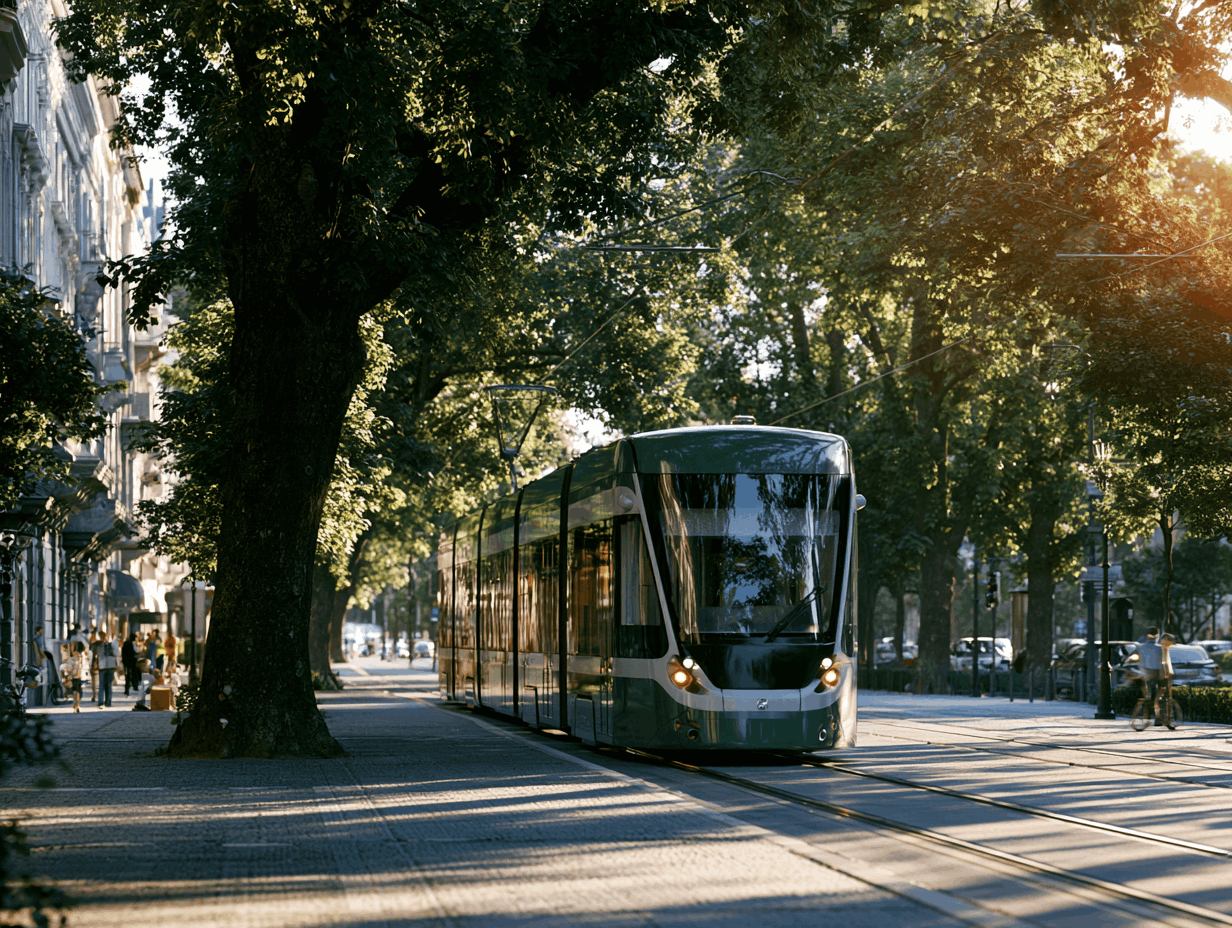
How to navigate public transport, walking routes and short-distance options in major cities.
Getting around a city without stress changes the whole feel of a trip. This box focuses on the practical ways to move that actually work for most visitors once the first confusion settles.
PUBLIC TRANSPORT BASICS
Most major cities run on a mix of metro, trams and buses. The systems look complicated at first but the logic is usually simple once you notice the colours or numbers of the lines. Buy a reloadable card or a day ticket at a station machine or small kiosk, it saves time and often money compared with single rides. Validate when needed and keep the ticket until the end of the journey. Stations usually have clear maps above the platforms, look for the direction rather than trying to memorise every stop name.
WALKING ROUTES
Many city centres are compact enough that walking covers a large part of the day. Group the places you want to see so the paths stay short and logical. Side streets often feel better than the main avenues and reveal more of daily life. Comfortable shoes matter more than any other single item. When distances stretch, walk one way and use transport for the return. Evening walking can be pleasant in well-lit areas but stick to busier routes if the neighbourhood feels quiet.
SHORT-DISTANCE OPTIONS
Bikes and scooters appear in many places and work well for flat stretches or when you want air instead of underground tunnels. Short taxi or ride hops fill the gaps when luggage is involved or the weather turns. Some cities have river or canal boats that double as transport and a quiet break. Escalators and lifts inside stations help when stairs feel endless with bags. The goal is mixing modes instead of forcing one method the entire day.
TICKETS AND TIMING
Day or multi-day passes pay off if you plan more than a few rides. Check the hours of the last services so you are not left stranded. Peak times mean fuller carriages and slower boarding, travelling a little earlier or later often feels easier. Night lines exist in many places but run less frequently, know the basic routes before relying on them.
DO
Watch how locals move through gates and doors, the flow becomes clearer. Stand on the right of escalators if that is the custom. Keep a small foldable map or a screenshot of the main lines as backup when the signal drops. Ask at an information desk if the system still feels opaque after the first day, most staff handle the same questions constantly.
AVOID
Dont try to understand every line on the first morning, start with the two or three that serve your area. Skip the tourist transport options that cost more and stop at every photo point. Avoid rush-hour metro rides with large luggage if it can be helped. Dont assume every bus stops at every request, look for the buttons or signals. And please dont block the doors while working out where to get off, step aside and check.
A simple daily approach
Morning: walk the closer sights. Midday: one public transport jump if needed. Afternoon: more walking or a short ride back. Evening: decide according to energy and distance.
City transport works best when walking stays the default and the other options fill the longer or tiring stretches. Open the box, get a basic ticket, follow the main lines, walk the rest, and the city starts to feel smaller and more manageable within a day or two.
Stay in the loop or just say hello
Questions about a box, ideas for new ones, or a quick note after your trip – write to us. You can also leave your email if you want occasional updates when fresh boxes appear.