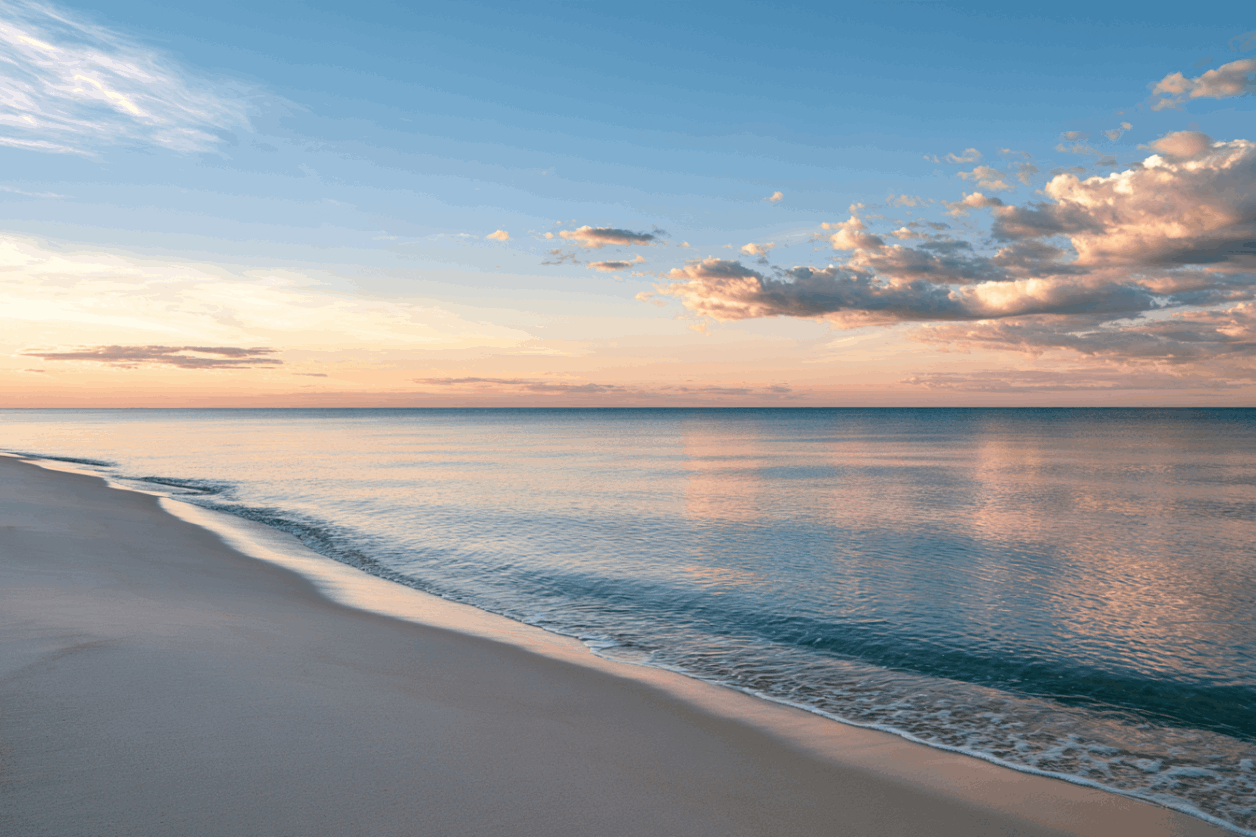
Beach Escape Box
Pure beach destinations: sandy shores, simple seaside stays and relaxed daily rhythms.
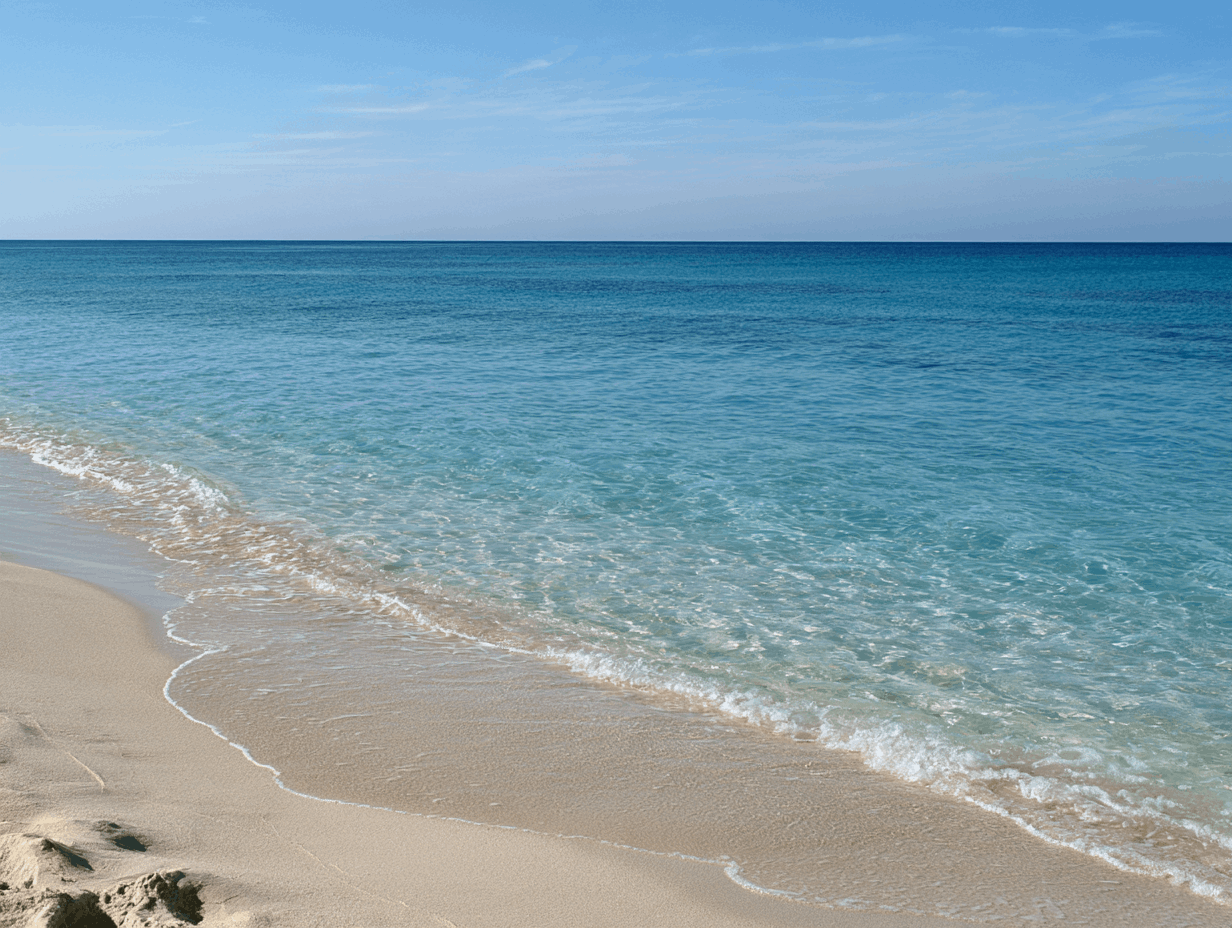
Pure beach destinations: sandy shores, simple seaside stays and relaxed daily rhythms.
A proper beach escape works when the days revolve around the sand and the water instead of a long list of other plans. This box keeps everything close to the shore so the rhythm stays slow and the salt stays in the air.
STAY
Choose places that sit within easy walking distance of the beach. Simple rooms or apartments with a balcony or terrace facing the sea make the mornings better. Air conditioning or at least a good fan matters in warmer months. A place that lets you rinse sand off before going inside saves constant sweeping. Avoid stays that require long bus rides or complicated transfers just to reach the water, the extra effort adds up fast.
SANDY SHORES
Look for stretches that feel open rather than fully built up. Early morning gives the quietest time for swimming or just walking the edge of the waves. Midday shade becomes important, whether from a simple umbrella or a natural spot under trees if they exist. The best beaches often have a mix of soft sand and clear entry into the water. Stay long enough for the light to change, the afternoon and early evening feel different from the bright middle of the day.
DAILY RHYTHM
Mornings start slow. Coffee, a short walk, then into the water while the air is still cooler. Midday is for shade, reading, or a longer rest back at the stay. Afternoons can return to the sand or stay lazy. Evenings are for longer walks along the shore and simple food nearby. Keep the plan open enough that a cloudy hour or a stronger wind does not ruin the day. The point is less structure, more time facing the water.
EAT
Seaside places often do the simplest things best. Fresh grilled fish, salads, bread and local fruit cover most meals. Small family spots a short walk from the sand usually feel better than the ones right on the busiest strip. Breakfast can stay light at the stay, lunch casual, dinner unhurried. Carry water and something small to eat so hunger does not force a rushed decision. Avoid the restaurants that play loud music and fill every table with big groups, the calm disappears.
MOVE
Walking on the sand and along the shore paths covers most needs. A short local bus or shared ride helps if the beach stretch is long. Bikes work on flat coastal roads when they exist. Cars are rarely necessary once you are settled. Keep movement light so the body stays ready for swimming rather than tired from transport.
DO
Swim when the water feels right. Walk further than the first crowded section. Sit and watch the horizon without needing to fill the time. Collect nothing, just notice the colours and the sound. If the beach has a quiet end, spend part of the day there. Evenings on the sand as the heat drops often become the favourite stretch.
BOOK
Reserve the stay with clear beach distance and flexible terms if weather might change plans. Simple beach equipment is usually available on the spot, no need for much advance. Confirm whether the place provides towels or shade options. Meals rarely need booking unless a particular small spot is known to fill up.
AVOID
Dont schedule activities that pull you far inland every day, the beach loses its place as the centre. Skip the jet skis and loud rentals if calm is the goal. Avoid leaving valuables on the sand while swimming. Dont expect restaurant service to match city speed, the pace is slower for a reason. And please dont fill every hour, the empty ones are part of the escape.
A natural beach rhythm
Morning: water and open sand. Midday: shade and rest. Afternoon: more shore time or quiet reading. Evening: slow walk and simple food near the water.
Pure beach days work when the destination stays close to the shore and the plan stays light. Open the box, sleep near the sand, follow the light and the tides, eat simply, and let the rest of the world wait inland.
Stay in the loop or just say hello
Questions about a box, ideas for new ones, or a quick note after your trip – write to us. You can also leave your email if you want occasional updates when fresh boxes appear.